Homemade Marshmallows
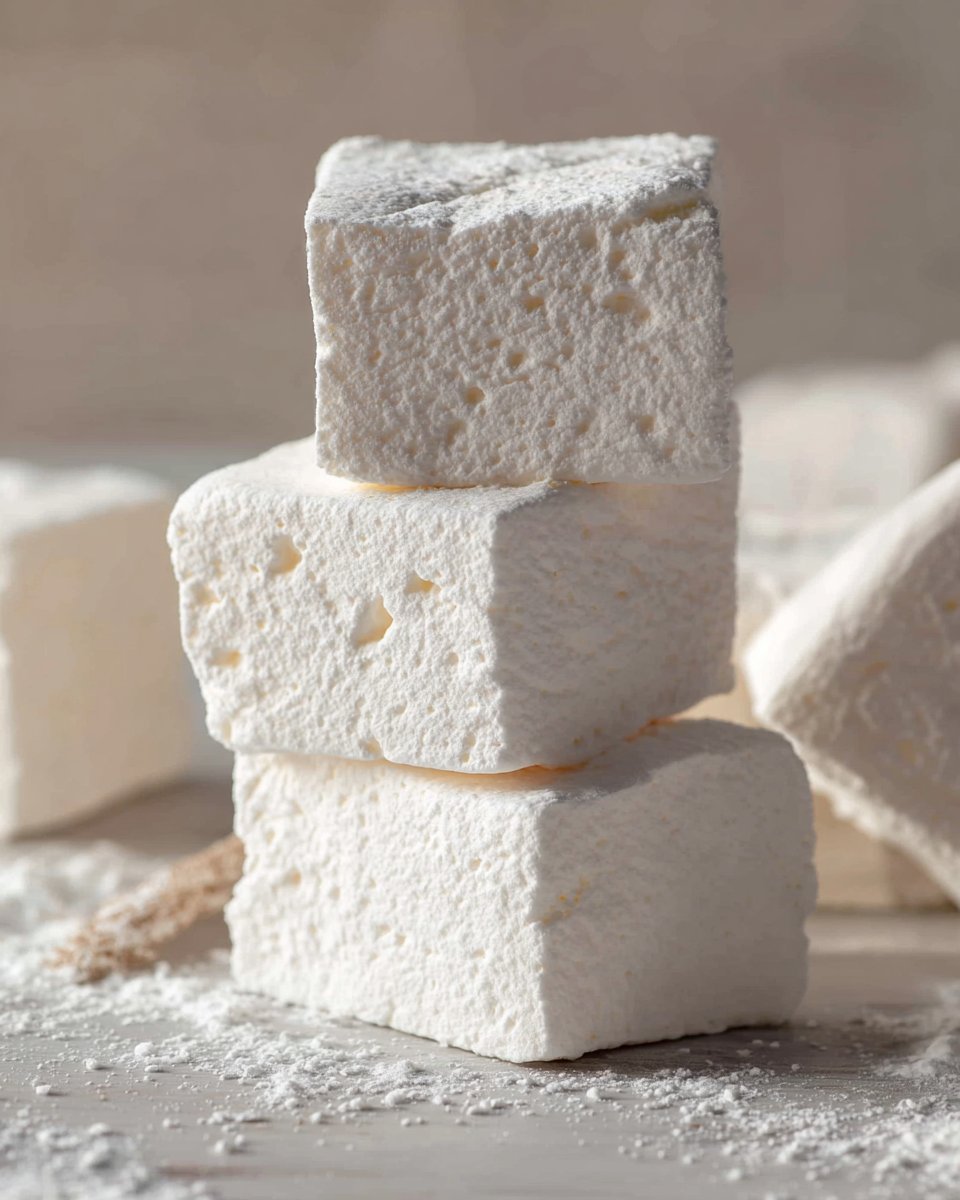
There is something deeply comforting about a pan of freshly made marshmallows. These homemade marshmallows are pillowy soft, sweet but not cloying, and have an airy, tender chew that melts on the tongue. The aroma is subtly sweet with a hint of vanilla, and the exterior dusted with confectioners sugar and cornstarch keeps them delightfully nonsticky. They are perfect for holiday treats, hot chocolate toppers, s’mores nights, or whenever you want a nostalgic, homemade candy that outshines store-bought versions. If you enjoy simple, satisfying kitchen projects, this recipe pairs well with savory weekend bakes like easy homemade SpaghettiOs with meatballs for a cozy family meal and also makes a sweet finish after warm, pull-apart favorites such as homemade cheesy breadsticks. Once you master the technique, you will find these marshmallows a joyful addition to many occasions.
Ingredients
- 1/3 cup confectioners’ sugar — for dusting the pan and coating the marshmallows so they do not stick.
- 3 tablespoons cornstarch — mixed with confectioners’ sugar to create a dry coating that absorbs moisture.
- 3/4 ounce unflavored gelatin (3 standard 1/4-ounce packets) — gives structure and the classic springy texture.
- 1 cup cold water, divided — half to bloom the gelatin and half to dissolve the sugars in the syrup.
- 1 cup light corn syrup — prevents crystallization and keeps marshmallows soft and tender.
- 1 and 1/2 cups granulated sugar — the main sweetener that is cooked into a syrup.
- 1/4 teaspoon salt — balances the sweetness and enhances flavor.
- 1 tablespoon pure vanilla extract — added at the end for warm, familiar flavor.
Step-by-Step Instructions
- Prepare the pan. Generously spray the bottom and sides of a 9×13-inch glass or ceramic baking pan with nonstick cooking spray. Dust the pan with a mixture of the confectioners’ sugar and cornstarch, then shake out any excess. Reserve the remaining dusting mixture for coating the finished marshmallows. Lightly pressing the mixture into corners helps prevent sticking later.
- Bloom the gelatin. Place the gelatin and 1/2 cup of the cold water in a medium bowl and let it sit while you prepare the sugar syrup. This allows the gelatin to soften and dissolve more easily.
- Make the sugar syrup. In a medium saucepan, combine the remaining 1/2 cup water, light corn syrup, granulated sugar, and salt. Heat over medium, stirring gently only until the sugar dissolves. Then stop stirring and let the mixture come to the soft ball stage, 235 to 240 degrees F on a candy thermometer. This usually takes several minutes; watch closely to avoid burning.
- Combine syrup and gelatin. Remove the saucepan from heat and let it cool for about 5 minutes so it is not scalding. With a stand mixer or electric hand mixer running on low, slowly pour the hot syrup into the bloomed gelatin. Pouring slowly helps incorporate the syrup without splashing.
- Whip until thick. Increase the mixer speed to high and whip the mixture until it becomes thick, glossy, and triples in volume, about 10 to 15 minutes. In the last minute of whipping, add the vanilla extract and mix until combined. The mixture should be very fluffy and hold soft peaks.
- Set in the pan. Pour the marshmallow mixture into the prepared pan and use an offset spatula to smooth the top. Let it sit at room temperature, uncovered, for at least 6 hours to fully set. Do not refrigerate.
- Cut and coat. Once set, dust a cutting board with the reserved confectioners’ sugar and cornstarch mixture. Invert the pan onto the board and peel off the pan. Using a sharp knife or bench scraper dusted with the sugar mixture, cut the marshmallow slab into squares. Optionally toss the pieces in the reserved coating to cover any sticky edges.
- Store. Place the cut marshmallows in an airtight container at room temperature for up to 2 weeks.
Recipe Details
- Prep Time: 20 minutes active
- Cook Time: 15 minutes (syrup and whipping)
- Total Time: 6 hours 35 minutes (includes 6 hour resting time)
- Servings: about 48 one-inch squares
- Calories: approximately 60 kcal per marshmallow
Tips, Storage & Variations
- Use a candy thermometer. The soft ball stage is key to texture. If you do not have a thermometer, test a small amount of syrup dropped into cold water; it should form a soft, pliable ball.
- Avoid humidity. Humid days can prevent marshmallows from setting properly and make them sticky.
- Clean mixing bowl. Make sure the bowl and whisk are completely dry before whipping, as any water can affect volume.
- Even coating. Toss marshmallows gently in the confectioners sugar and cornstarch mixture so edges are fully covered and do not stick together.
- Storage. Store marshmallows in an airtight container at room temperature for up to 2 weeks. Keep them away from direct heat and humidity.
- Freezing. Marshmallows freeze well. Layer them between sheets of parchment in an airtight container or freezer bag and freeze for up to 3 months. Thaw at room temperature before serving.
- Flavor variations using existing ingredients only. For a milder vanilla note, reduce the vanilla to 1/2 tablespoon. To make plain, neutral marshmallows, omit the vanilla entirely. Increasing the vanilla slightly creates a stronger, more aromatic marshmallow.
- For more cozy recipe pairings, try a simple dinner, or finish a homemade meal with these sweets by checking a family favorite like homemade easy cheesy pizza pockets.
FAQ
Q: How long should I whip the marshmallow mixture?
A: Whip on high for about 10 to 15 minutes until thick, glossy, and tripled in volume. It should hold soft peaks.
Q: Can I use a hand mixer instead of a stand mixer?
A: Yes, a hand mixer works fine but may take a little longer and require more muscle for the full whipping time.
Q: Why did my marshmallows turn out sticky?
A: Sticky marshmallows usually mean excess humidity, insufficient dusting with the sugar and cornstarch mixture, or undercooking the sugar syrup.
Q: Do marshmallows need to be refrigerated?
A: No. Store them in an airtight container at room temperature for up to 2 weeks.
Q: Can I make smaller or larger pieces?
A: Yes. Cut to any size you prefer. Smaller pieces are great for hot drinks, larger ones for s’mores.
People Also Ask
Q: What is the soft ball stage in candy making?
A: The soft ball stage is when a drop of hot syrup forms a soft, malleable ball in cold water, around 235 to 240 degrees F.
Q: How do I bloom gelatin correctly?
A: Sprinkle gelatin into cold water and let it sit undisturbed for several minutes until it swells and becomes spongy, then it is ready to dissolve.
Q: Can I substitute corn syrup with another ingredient?
A: This recipe specifically calls for light corn syrup to prevent crystallization, so substitutions will change texture and are not recommended here.
Q: Why do homemade marshmallows last longer than store-bought once sealed?
A: Home marshmallows kept dry in airtight containers resist moisture uptake and remain fresh; store-bought often contain stabilizers and packaging differences.
Q: Is it okay to skip the cornstarch in the dusting mix?
A: Cornstarch helps absorb moisture and prevents sticking. Omitting it may cause more stickiness on the surface.
Q: What temperature should I aim for when cooking the sugar syrup?
A: Aim for 235 to 240 degrees F, the soft ball stage, for the proper marshmallow texture.
Conclusion
Making Homemade Marshmallows is a rewarding kitchen project that yields soft, flavorful confections to enjoy on their own or in desserts. If you want a step-by-step guide with additional tips and troubleshooting, see this detailed resource on How To Make Homemade Marshmallows (Foolproof Guide) for more photographic guidance. For another trusted recipe with helpful notes, check out How to Make Homemade Marshmallows – Sally’s Baking Addiction. I hope you enjoy these pillowy treats and share them with friends and family for cozy moments and sweet smiles.